Whether you're a seasoned operator, a weekend warrior, or someone working in law enforcement, choosing the right outdoor tactical gear can feel overwhelming. The market is flooded with options — chest rigs, plate carriers, MOLLE-compatible pouches, and modular systems that promise to do everything short of making coffee. But not all of it is worth your money, and more importantly, not all of it is right for your specific needs. This guide breaks down the key differences between popular tactical configurations, what to look for before you buy, and how to build a loadout that actually works for you.
Understanding the Difference Between Chest Rigs and Plate Carriers
Before you can make a smart buying decision, you need to understand the fundamental difference between a chest rig and a plate carrier — because they serve very different purposes.
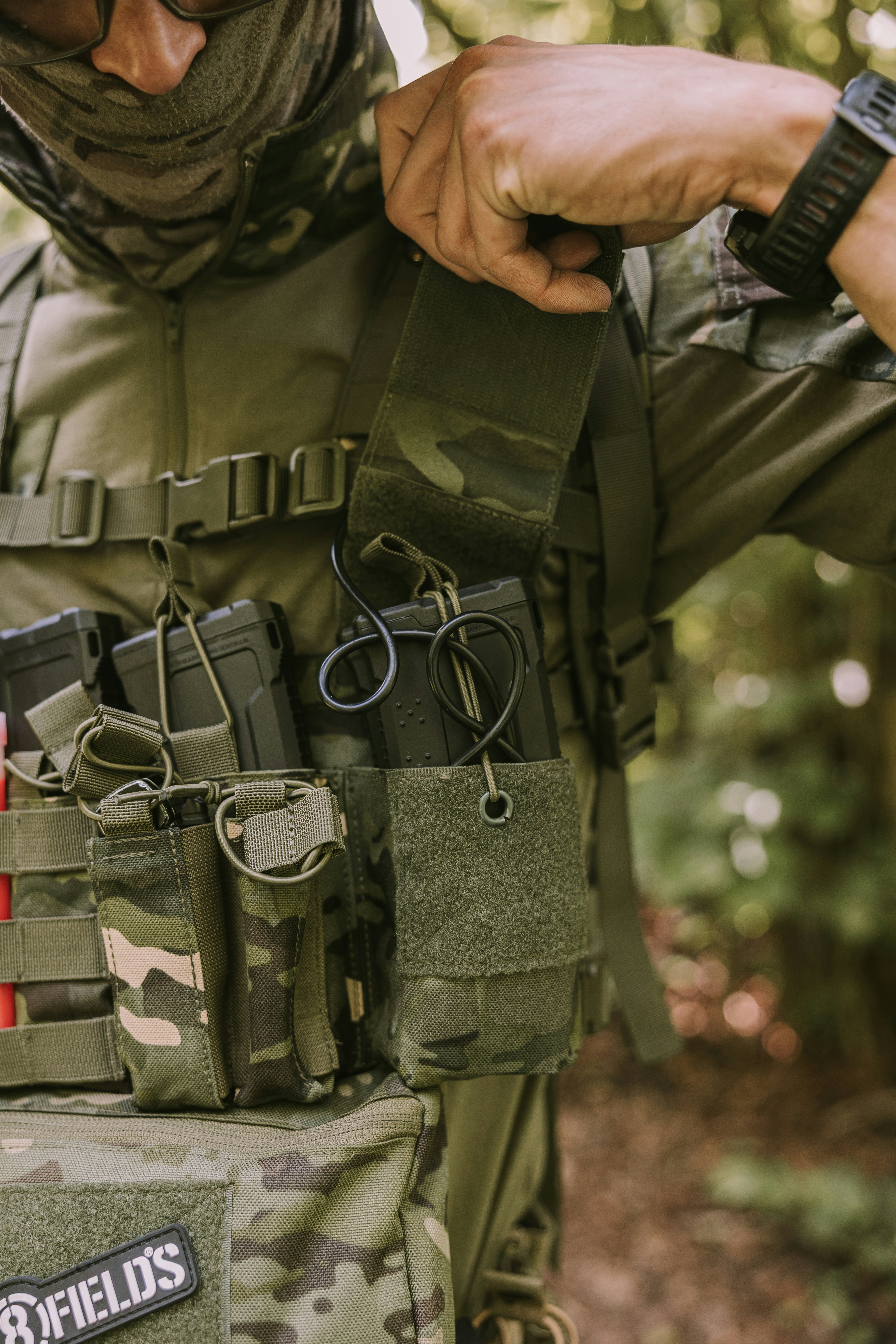
A chest rig is a lightweight harness designed primarily for gear organization and quick access to pouches, magazines, and small tools. It sits against the chest and distributes weight across the shoulders and upper back. Because it doesn't include armor, it's significantly lighter and more breathable. Chest rigs are popular in military training environments, competition shooting, hunting, and wilderness operations where mobility matters more than ballistic protection.
A plate carrier, on the other hand, is built to hold armor plates and offers actual ballistic protection. It's heavier, bulkier, and demands more from your body — but when the threat level calls for it, there's no substitute. Law enforcement gear requirements often dictate the use of plate carriers in active threat scenarios, while chest rigs might be chosen for patrol, reconnaissance, or lower-risk operations.
Neither is universally better. The right choice depends on your role, environment, and threat assessment.
What to Look for in MOLLE Gear and Modular Systems
One of the most important features in any serious tactical loadout is MOLLE compatibility. MOLLE — Modular Lightweight Load-carrying Equipment — is the webbing system that allows you to attach, swap, and reconfigure pouches and accessories across different platforms. When you invest in MOLLE gear, you're investing in flexibility. A chest rig or plate carrier with a full MOLLE field means you can customize your setup for different missions without replacing the entire rig.
When evaluating modular tactical gear, look for consistent stitch quality along the webbing rows. Cheap knockoffs often use inadequate thread counts or poorly spaced webbing that makes pouch attachment unreliable in the field. The spacing should follow standard MOLLE dimensions — roughly one inch between rows — so your pouches seat correctly and don't shift under movement.
Material is another critical factor. High-quality tactical equipment is typically made from 500D or 1000D Cordura nylon. The higher the denier count, the more abrasion-resistant the fabric. For harsh outdoor environments or extended use, 1000D is worth the added weight. For minimalist or airsoft-style setups where weight and cost matter more, 500D is a reasonable compromise.
Strap systems matter more than most people realize. A chest rig with poor shoulder strap padding or non-adjustable cummerbund points will become miserable after a few hours. Look for padded, adjustable straps with quality buckles — ideally Duraflex or ITW Nexus hardware — that can be fine-tuned for your body type and layering needs.
Comparing Tactical Loadouts: Minimalist vs. Full-Kit Configurations
One of the most common mistakes in building tactical loadouts is the instinct to fill every pouch slot available. Just because your chest rig has room for eight magazine pouches doesn't mean you should run eight magazines. Over-building your setup adds unnecessary weight, creates noise, and slows your access to the gear you actually need.
A minimalist chest rig setup might include two or three magazine pouches, a small admin pouch, a trauma kit, and a hydration attachment point. That's it. Clean, light, and functional. This approach is increasingly favored in military doctrine and makes sense for most outdoor applications as well.
A full-kit configuration with a plate carrier and extended MOLLE attachments makes sense in specific high-threat environments. Military gear for direct action missions, for example, might include a full plate carrier with side armor, a chest rig layered on top, communication equipment, and a rear panel for additional storage. This setup is purpose-built and demands the fitness and training to use it effectively.
Understanding how chest rig workflow impacts your mission is more important than the amount of gear you carry — the best-equipped operators know that accessibility beats volume every time. If you're exploring how to optimize that workflow before committing to a full build, learning more about tactical chest rigs and how they improve gear access can save you time and money in the long run. https://chasetactical.blogspot.com/2026/09/how-tactical-chest-rigs-improve-gear.html #military chest rig
Key Features Worth Paying For in Outdoor Tactical Gear
Not every premium price tag is justified, but some features genuinely are worth spending more on. Laser-cut MOLLE panels are one example. Traditional woven MOLLE webbing is reliable but bulky. Laser-cut panels offer a cleaner, lighter alternative with direct-attachment compatibility for many modern pouches. They're increasingly standard on high-end chest rigs and plate carriers.
Quick-release systems are another feature worth the investment, especially in law enforcement gear or military applications. A magnetic or buckle-based quick-release allows a teammate to strip your rig in an emergency — critical if you're injured or in the water. Budget rigs rarely include reliable quick-release mechanisms, which is a safety gap you shouldn't accept in high-stakes environments.
Internal organization also separates quality rigs from cheap ones. Good admin pouches include loops for pens, slots for documents or IDs, and a clear window for visible item storage. Small details like these define how smoothly a rig performs under pressure.
Finally, consider the reputation and warranty of the manufacturer. Established brands in the tactical equipment space back their products because they're built to last. A chest rig that holds up through thousands of hours of training, harsh weather, and repeated washing is always a better value than a budget option that fails after three months.
Conclusion: Building Smarter with Outdoor Tactical Gear
The best outdoor tactical gear isn't necessarily the most expensive or the most loaded down with features. It's the gear that matches your actual role, fits your body correctly, and allows you to access what you need when you need it. Whether you're comparing chest rigs to plate carriers, evaluating MOLLE gear compatibility, or trying to strike the right balance in your tactical loadout, the principles are consistent — prioritize function, build for your mission, and resist the urge to overcomplicate. Start with quality materials, understand what MOLLE attachment systems demand from your pouches, and scale your kit from there. That approach will serve you better in the field than any amount of extra gear ever could.