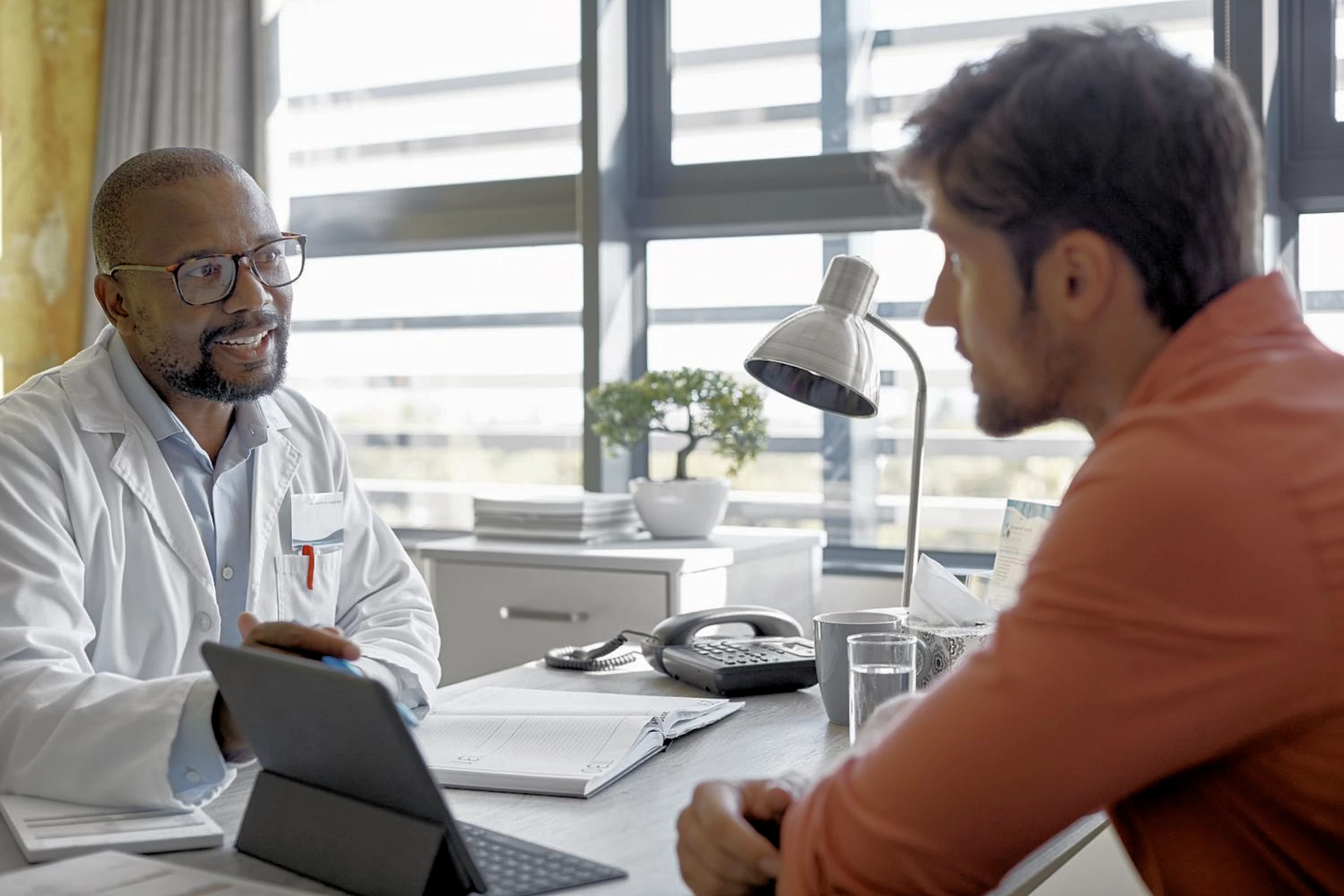
In recent years, the dialog surrounding mental health has evolved considerably, and one area that has garnered appreciable attention is the problem of consuming disorders (ED). As the world continues to adapt to a digital-first approach, on-line treatment for eating disorders has emerged as a lifeline for a lot of looking for assist. This text explores the effectiveness, accessibility, and challenges of ED online treatment and how it's reshaping the landscape of eating disorder restoration.
Eating disorders, which embody situations equivalent to anorexia nervosa, bulimia nervosa, and binge consuming disorder, have an effect on tens of millions of people worldwide. In response to the Nationwide Eating Disorders Affiliation (NEDA), approximately 30 million Individuals will battle with an eating disorder in their lifetime. These disorders can result in extreme physical and psychological well being points, including coronary heart problems, organ failure, and increased risk of suicide. With such alarming statistics, the need for effective treatment options is more essential than ever.
Historically, searching for help for eating disorders concerned in-person therapy classes, which may not all the time be accessible or convenient for these in want. Therapy can usually be stigmatizing, and some individuals could really feel uncomfortable discussing their struggles face-to-face. That is the place on-line treatment choices have paved the best way for a extra accessible and empathetic strategy to recovery.
One of many most important advantages of on-line treatment for consuming disorders is increased accessibility. Individuals can discover help from the consolation of their homes, permitting them to overcome geographical obstacles which may hinder access to quality care. For those residing in rural areas or areas with limited mental well being resources, on-line therapy creates a direct pathway to skilled help. Moreover, many online platforms supply versatile scheduling, accommodating different time zones and personal commitments.
Teletherapy and on-line support groups are two of essentially the most seen elements of the growing pattern in the direction of digital treatment. Numerous platforms, comparable to BetterHelp and Talkspace, now offer licensed therapists who focus on treating consuming disorders. In addition to these individualized therapy classes, many websites and apps provide assist group options the place people can join with friends dealing with related challenges. This neighborhood facet will be notably useful as it fosters a way of belonging and understanding amongst people who may have felt isolated of their struggles.
Analysis indicates that online treatment may be as efficient as conventional face-to-face therapy for a lot of individuals. A 2020 research published in the journal "Consuming Disorders" found that web-based interventions showed promising ends in decreasing disordered eating behaviors and bettering psychological nicely-being. The examine highlights the potential of an online strategy to reach those who might otherwise keep away from treatment attributable to stigma or inconvenience.
However, whereas there are numerous benefits to on-line treatment, there are also challenges that should be addressed. Some individuals may lack the necessary technological skills or entry to dependable web, which might create disparities in entry to those companies. Moreover, the absence of in-particular person contact could hinder some people' capacity to establish a robust therapeutic relationship with their provider. Constructing rapport and belief is basic in any therapeutic setting, and on-line interactions may not all the time facilitate this as effectively as face-to-face encounters.
One other challenge is the necessity for applicable diagnosis and treatment planning. In some instances, on-line therapy may not be appropriate for individuals with extreme eating disorders requiring medical intervention or more intensive care. It's crucial for shoppers to hunt comprehensive assessments in collaboration with healthcare professionals who can determine probably the most applicable treatment pathway, whether online or in-particular person.
The mixing of expertise and psychological health treatment also raises questions about privacy and confidentiality. Patients could have considerations concerning the security of their personal data and the confidentiality of their sessions. Psychological well being professionals and online platforms should be sure that they employ safe techniques to protect this sensitive info, giving shoppers the boldness that their privateness is upheld.
As we progress additional into the digital age, psychological well being organizations and practitioners continue to innovate and enhance online treatment options for eating disorders. Many therapists are now complementing their traditional companies with teletherapy, allowing for a hybrid method that combines in-person and online periods. This flexibility may be notably useful for people as they transition by way of totally different levels of recovery.
Along with therapy, there's a rising wealth of online assets aimed toward educating people about eating disorders, providing coping strategies, and promoting self-assist. Web sites, cellular apps, and social media platforms are being utilized to spread consciousness about the signs and signs of eating disorders, serving to to demystify these circumstances and reduce stigma.
The net treatment landscape remains to be creating, and researchers and practitioners alike are eager to judge the lengthy-time period effectiveness of those therapies. Steady feedback from individuals and the analysis of success rates will shape how on-line treatment for eating disorders is approached sooner or later. Monitoring outcomes and gathering knowledge is essential to make sure that interventions are participating and effective, tailored to meet the various needs of people looking for assist.

Finally, the rise of online treatment for eating disorders signifies a promising shift in how we strategy psychological health care. With increased accessibility, supportive communities, and the potential for effective outcomes, the digital realm is carving out a important function within the recovery journeys of these affected by eating disorders. As stigmas proceed to be challenged and the dialogue round mental well being expands, it is imperative that we embrace innovative methodologies that cater to the evolving needs of individuals facing these challenges.
In conclusion, whereas on-line treatment for consuming disorders just isn't with out its challenges, it represents a major hope for many people who've historically faced limitations to accessing treatment. Continued analysis, technological developments, and a commitment to preserving patient-centered care might be essential in guaranteeing that the rise of digital therapy translates into lasting change in the combat towards eating disorders.