Ubisoft's Viking epic demands to be played on current-generation systems. This truth becomes evident the moment you launch it on a PS5 or Xbox Series X. The blazing load times, crisper details, and smoother performance elevate the experience to near-cinematic heights. The world lives more naturally, and transitions between exploration and combat feel more seamless. Yet even on these powerful consoles, Valhalla isn't flawless—screen tearing, sporadic performance hiccups, and animation glitches still persist.
On previous-generation platforms, however, the game buckles under its own ambition. Waiting periods drag into what feels like eternity, environments pop in belatedly, and the frame rate dips frequently to break immersion. The majesty of ninth-century England loses its charm when the technology can't keep pace with its vision. It's not merely about graphics—it's about responsiveness. And on last-gen consoles, Valhalla feels sluggish, as if battling against its own scale.
An Awkward Battle Mechanic That Is Unrefined
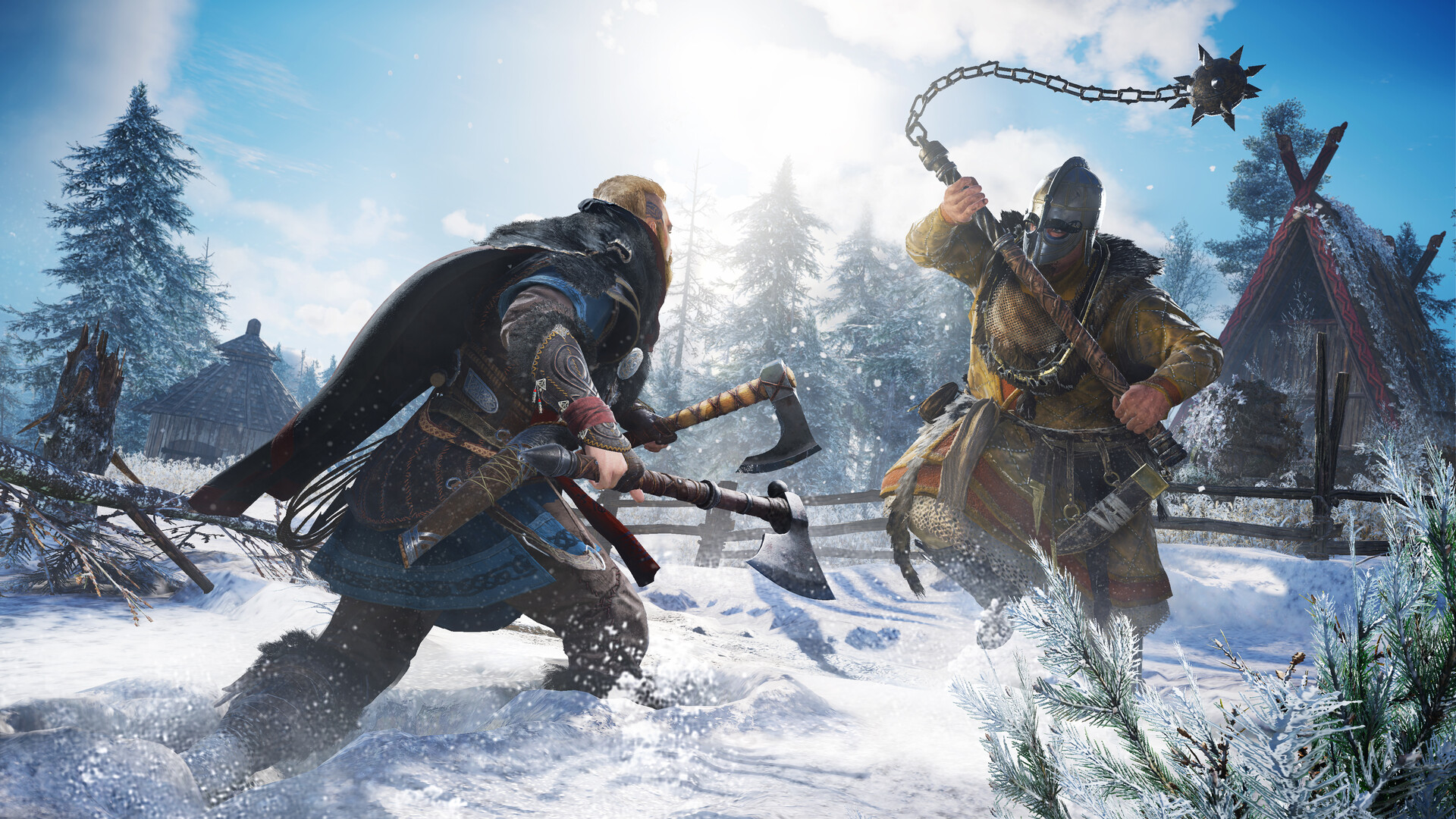
Valhalla's central combat rhythm centers on hack-and-slash fighting, and initially, it seems refined when cheapest games Xbox One. Relative to AC Origins and Odyssey, the animations are weightier, the impact of each strike more visceral. There's a satisfying cadence to linking quick and heavy attacks, dodging, and blocking. The dual-wielding system adds customization that invites variation, and initial fights feel dynamic and engaging.
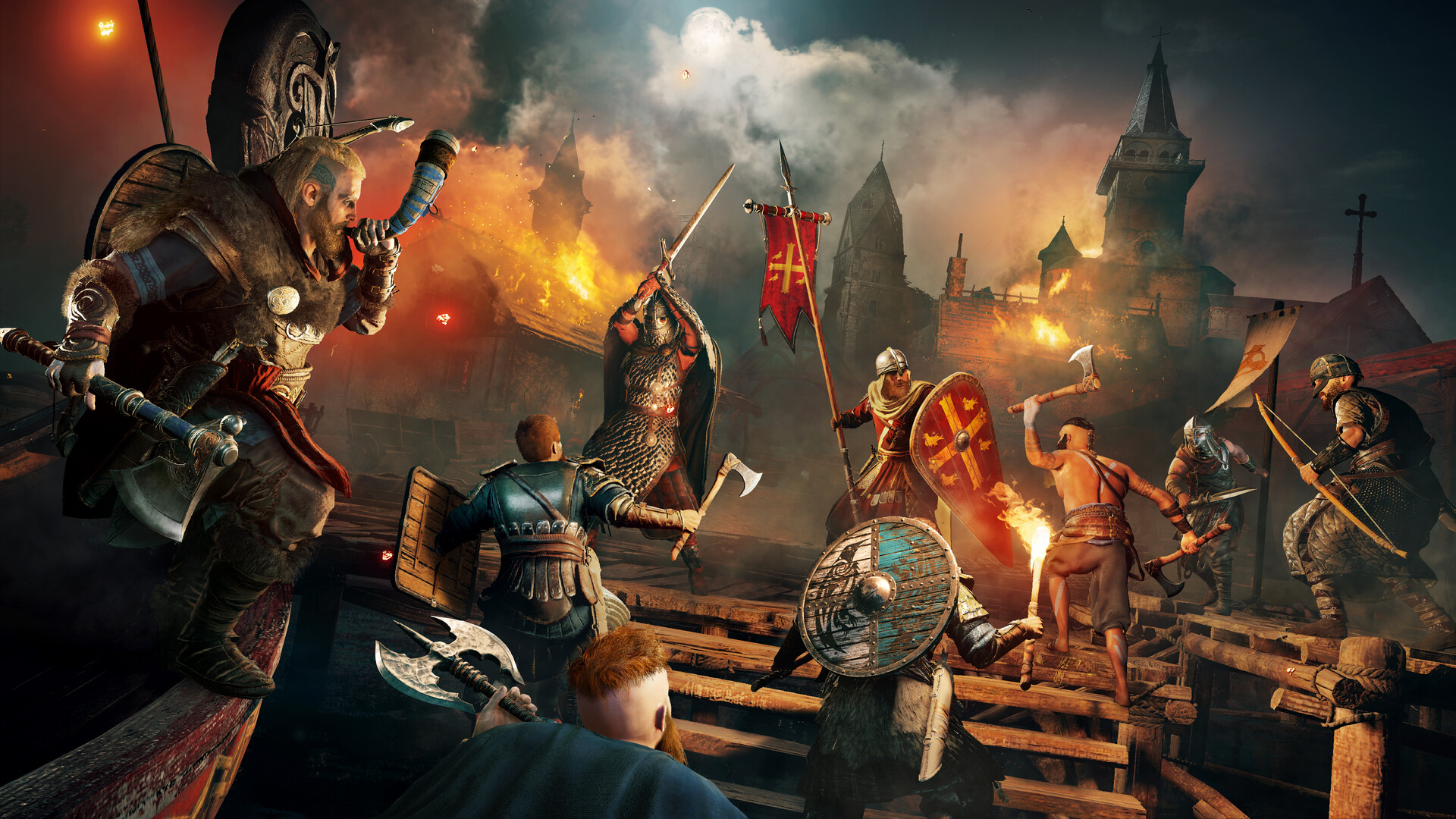
Yet this illusion of seamlessness crumbles. As progress pass, the shortcomings emerge. Combat turns clunky, monotonous, and oddly unresponsive to player inputs. Eivor must move at point-blank distance, set their feet, and then execute an attack—often with a delay that renders the combat unwieldy. The lack of seamless movement between exploration and fighting shatters the momentum, making engagements feel more like obligations than thrills. It's a stark contrast to the more polished systems in its predecessor, where combat felt like a natural continuation of the world rather than a separate mode.
Reconnaissance Woes: A Raven That Cannot Tag Enemies
For players who favor stealth, Valhalla is a disappointing affair. The avian scout, once a reliable scouting tool, now inexplicably is unable to mark targets. This seemingly minor change weakens the entire reconnaissance process, requiring players to rely on mental notes and guesswork rather than strategic setup. Restricted zones are convoluted, with unclear boundaries and inconsistent guard patterns. The game frequently neglects to indicate whether you're concealed or exposed, resulting in abrupt alerts and messy confrontations.
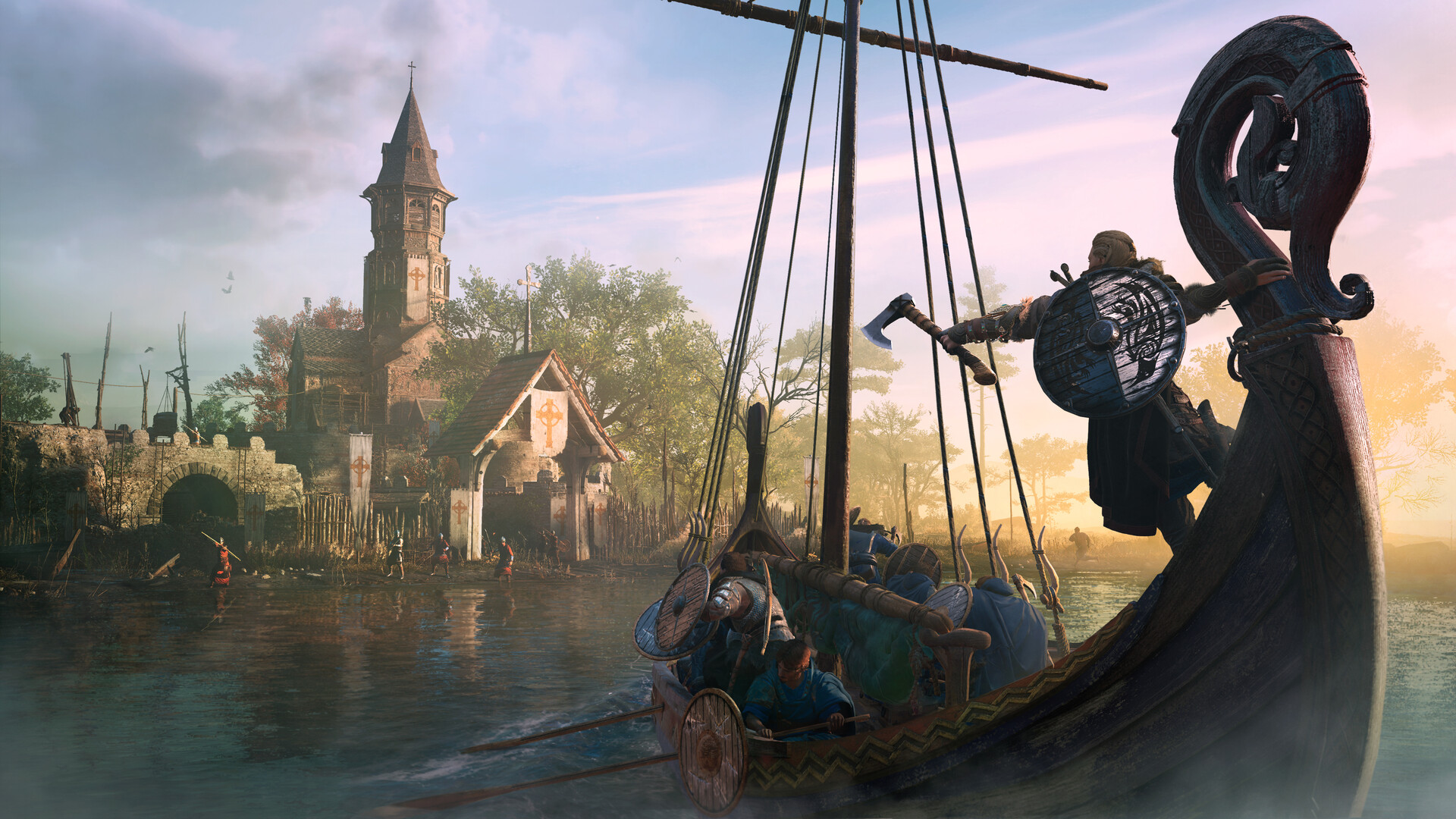
This lack of precision diminishes the infiltration ideal that past titles like AC Syndicate and Unity executed so effectively. In Valhalla, stealth feels like an afterthought—a secondary approach that's barely woven into the overall gameplay. The tools are present, but they're dulled by choices that favor brute force over precision.
Adversaries That Just Keep Coming and Arriving
The pacing of combat is another area where Assassin's Creed Valhalla falters. Your character's attacks require deliberate positioning, often necessitating a full stop to land a hit. This design, while possibly intended to simulate the heft of Norse warfare, in practice feels stilted. It's not just the closeness requirement—it's the stillness. The outcome is a combat system that lacks momentum, where every fight feels like a halting affair.
This design clashes with the game's free-roaming framework, which rewards uninterrupted movement and discovery. When combat pauses that pace, it feels like a detour rather than a continuation. The movements, while impressive, don't compensate for the absence of responsiveness. You're not dancing with your enemies—you're pausing for your turn to attack.
The Next-Gen Experience: How Technology Shapes Gameplay
Valhalla's combat scenarios are a case in inconsistency. At moments, the game throws wave after wave of enemies at you, creating a feeling of unending attrition. These moments can be exhilarating, but they soon become monotonous when the enemies lack diversity or tactical depth. Other occasions, a single combatant can hurl you across the battlefield like a shotput, disrupting the flow of combat and pushing you into a reactive loop.
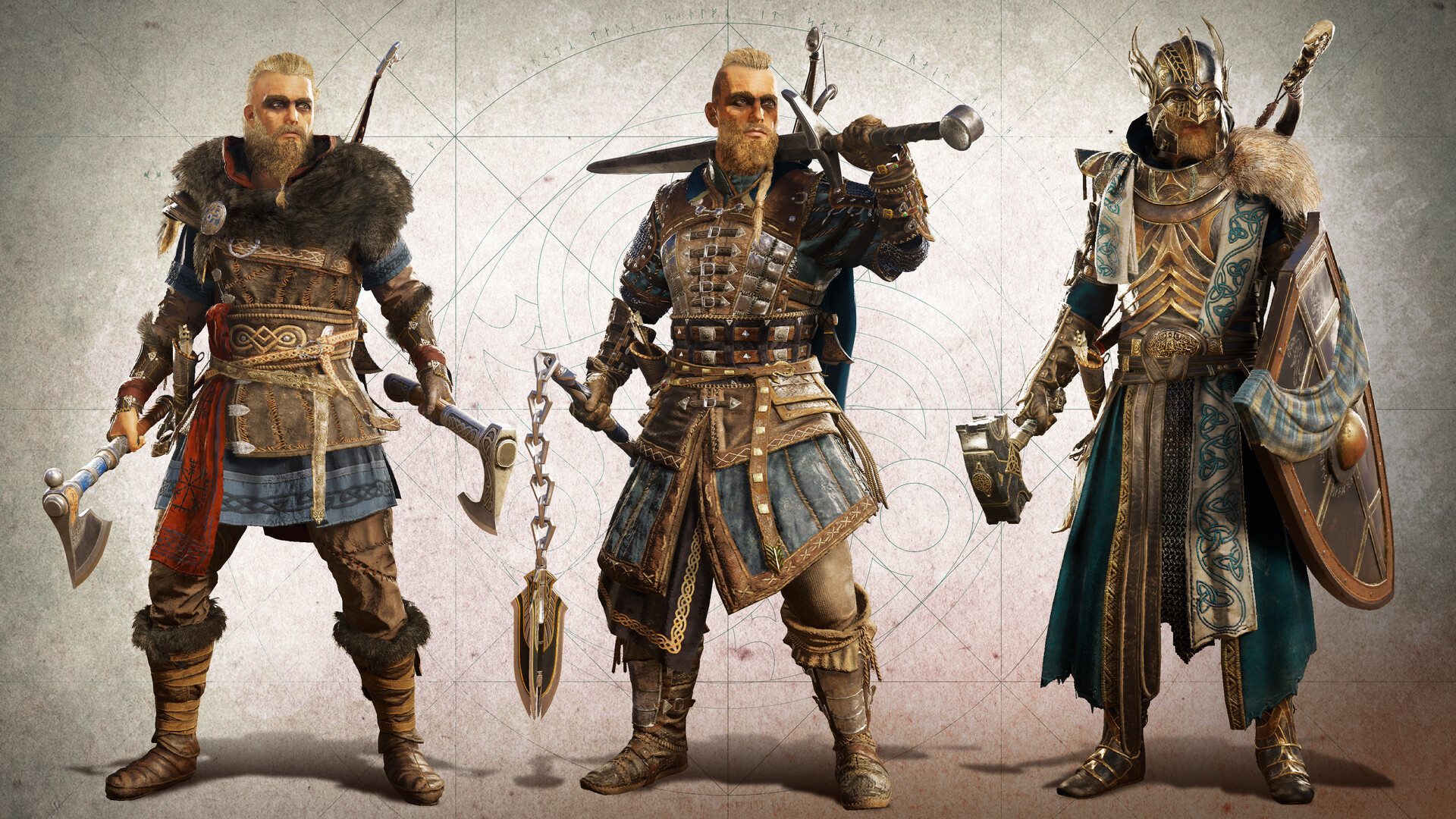
This unpredictability in challenge makes it difficult to assess your growth. Leveling up doesn't always translate to feeling more powerful, and enemy scaling often feels arbitrary. The game wants to challenge you, but it doesn't always know how. Instead of crafting encounters that test your skills, it falls back on brute force and inflated attributes to create difficulty.
Valhalla's Legacy Is a Tale of Wasted Potential
Assassin's Creed Valhalla is a game of contrasts. It aims to greatness but falters in delivery. On next-gen systems, it shines—until it doesn't. Its combat is fluid—until it's clunky. Its stealth mechanics are present—but just. And its challenge progression is less a gradient than a jagged line.
As a longtime fan of the franchise and a history buff, I hoped to love Assassin's Creed Valhalla. I wanted to immerse in its setting, to feel the weight of the protagonist's journey, to explore the echoes of the history. But the game's design choices frequently pulled me out of that experience. Valhalla is grand, yes—but ambition alone doesn't create a game great. Reliability, clarity, and unity do. And in those respects, Valhalla still has a considerable distance to go.